Featured Researcher - Archive
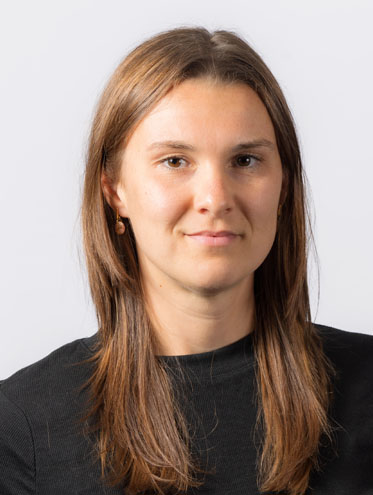
Ulrike Egerer (NLR)
Ulrike Egerer is a researcher at the NLR (formerly NREL) in Colorado, where she began as a postdoctoral researcher in 2022. With a background in Atmospheric Science and Aerospace Engineering, her work focuses on advancing the understanding of wind impacts on CSP systems, particularly within collector fields. Ulrike’s research supports improved wind-induced load characterization for CSP collectors, including a major public dataset release of dynamic wind and structural load measurements from an operational parabolic trough plant. These data enabled new insights into real-world wind conditions and collector wind loads (see publication), and a similar dataset is currently being created for a heliostat field. She also leads the DOE-funded project Improving Near-Surface Wind Data to Assist Solar Siting, which aims to create historical wind data tailored to the needs of CSP applications to reduce uncertainty in CSP and PV siting.
Ulrike.Egerer@nrel.gov
Recent Publication
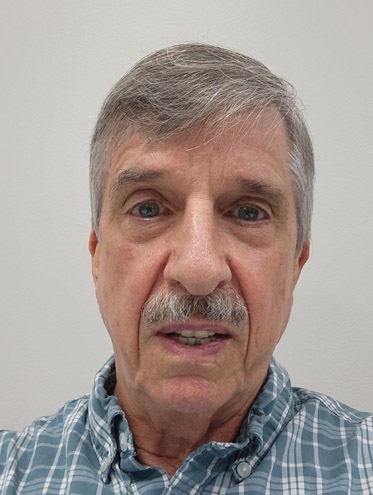
Mark Ayres (Industry Consultant)
Mark Ayres graduated from the University of Pittsburgh 1977 and started work with Westinghouse Electric Corporation providing Control Center Software for Electric Utilities. In 1989 he joined the Rocketdyne Division of Rockwell International to work on the Electric Power System for the International Space Station. At Rocketdyne he worked on several other
interesting projects: the Advanced Tactical Laser; the Project Orion Crew Exploratory Vehicle; the Boeing 787 Electric Power System and the Heliostat Field Software for Solar Reserve. He joined Solar Reserve in 2014 and worked on the Crescent Dunes Heliostat Field Control System. He now has his own company and performs, as needed, consulting work for Crescent Dunes. He is also working with NLR to leverage the Crescent Dunes Software for use in other CSP Plants. For HelioCon he is presently working for NLR with the Tietronix Company to provide an open-source Heliostat Solar Field Control System. This project leverages the past work we have done for Solar 2, Crescent Dunes, and other Solar Fields to provide a tool that other companies can use to jump start their control system development.
mark.ayres@crescentdunessolar.com
Matthew Neber (NLR)
Matthew Neber recently returned to the research field as a Mechanical Engineer in Thermal Energy Systems focusing on Concentrated Solar Power. During his time in industry he developed novel electromechanical devices with an emphasis on wireless intra device communications. His experience in CSP began in 2010 with development of a residential scale parabolic dish system for combined cycle heat and power generation. Within HelioCon he leads heliostat design tasks for industry partners to use as a benchmark or reference. He also contributes to the metrology development and advanced manufacturing tasks, and oversees the buildout of NLR's optomechanical metrology platform for solar collectors.
Matthew.Neber@nrel.gov
Heejin Cho (UNLV)
Heejin Cho is a Professor of Mechanical Engineering and Co-Director of the Center for Energy Research at the University of Nevada, Las Vegas. His research focuses on the design and optimization of sustainable energy and environmental systems. Within the HelioCon program, his team is developing a cost-effective, high-precision surface angle measurement sensor to improve the performance and reliability of concentrated solar power systems.
heejin.cho@unlv.edu
Mike Wagner (University of Wisconsin-Madison)
Mike Wagner is the Charles Ringrose Assistant Professor in the Department of Mechanical Engineering at the University of Wisconsin-Madison. His research focuses on optimal design and operations of renewable energy and energy storage technologies. He is principal investigator of the Energy Systems Operations Lab research group, a faculty member of the Solar Energy Lab, and a faculty affiliate of the Wisconsin Electric Machines and Power Electronics Consortium. His research includes thermal systems modeling, system design and operations optimization, and predictive performance analysis of energy generation and storage technologies. Prior to joining UW-Madison, he spent 12 years as a researcher at NLR in the Thermal Systems group. His HelioCon work centers around optimal heliostat aimpoint control and receiver flux management.
mjwagner2@wisc.edu
Recent Publication
Steve Schell (Industry Expert)
Steve Schell is an engineer and entrepreneur who has developed and commercialized new technologies for over 20 years, with more than half that time spent in the solar energy industry. A mechanical engineer by background, Steve has served in technical leadership roles at eSolar, Amonix, and most recently at Heliogen, where he was CTO and Chief Scientist from 2018-2024. While at Heliogen, Steve led the development and demonstration of a computer vision based closed-loop tracking control system for heliostats, the deployment of the company’s test facility in Lancaster, California, two generations of high-performance heliostats, and the conceptual design and front end engineering of a 5 MW power plant utilizing a high temperature particle receiver and supercritical carbon dioxide Brayton cycle power block. Outside the solar industry, Steve has developed mobile robots and sensor suites, and multiple generations of 3D printers including one made by New Matter, a company he founded and led.
Steve's work with HelioCon began while at Heliogen, helping to steer various projects through his role on the board of advisors. More recently, Steve has engaged more actively with HelioCon, consulting on various research projects and guiding the development of the midterm update to the HelioCon roadmap report (due to be published this year)
steve@schell-innovation.com
Recent Publications
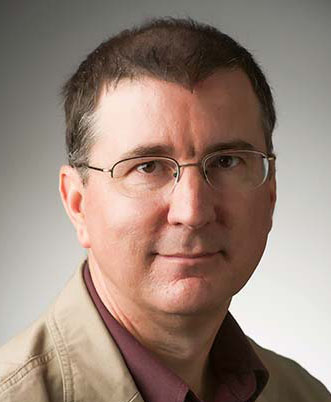
Craig Turchi (NLR)
Craig Turchi, a researcher at NLR, has built a reputation for scientific integrity in the field of concentrating solar power (CSP). His career began in the 1990s with early CSP research at the Solar Energy Research Institute (SERI), where he provided a candid assessment of a solar detoxification reactor.
After spending time in small technology companies, Turchi returned to NLR in 2008, bringing entrepreneurial experience that enhanced his systems analysis research in CSP. His expertise in thermal energy science helped advance CSP technologies, including work on reducing water use at CSP plants and exploring supercritical CO₂ power cycles for improved efficiency.
Beyond research, he is actively involved in mentoring and leadership at NLR, serving as the Thermal Energy Science and Technologies group manager and a partnership director for the Heliostat Consortium.
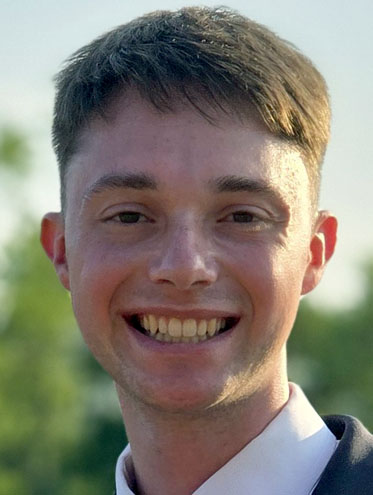
Aaron Spieles (SNL)
Aaron Spieles is an early career researcher at Sandia National Laboratories with a background in Mechanical Engineering focusing on thermal sciences and modeling. Aaron was quickly introduced to the transdisciplinary problem of heliostat field deployment to support HelioCon. The field deployment task is largely focused on barriers preventing the permitting and instillation of a heliostat field and developing strategies to advocate for heliostat fields for future stakeholders. One of the primary challenges in securing permission to deploy a heliostat field is the impact that site preparation, construction, and operations and maintenance of a site will have on the local environment as well as risks to local communities. This is especially important for applications to deploy concentrated solar power on federally managed land. Areas with incredible solar resources are often deserts which contain lower densities of flora and fauna but their continued inclusion in the local ecology is even more critical for it. Aaron is supporting HelioCon efforts to understand the impacts that heliostat fields have on local environments, particularly the desert tortoise, as well as exploring heliostat foundation, pedestal, and instillation methods that utilize currently accepted technology minimizing environmental impact.
ajspiel@sandia.gov
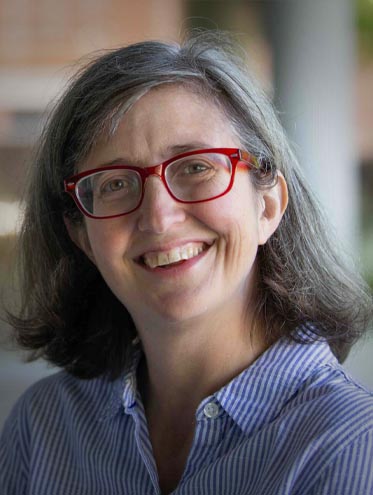
Laura Schaefer (Rice University)
Laura Schaefer is the Burton J. and Ann M. McMurtry Professor in Mechanical Engineering at Rice University. Her research centers on the analysis, design and optimization of energy systems, with an emphasis on improving energy efficiency and diversification for increased sustainability. Her work with concentrated solar power focuses on integrating small-scale heliostat fields in urban environments. Dr. Schaefer is also engaged in education and outreach activities for CSP, including creation of a survey to investigate the underlying causes for lack of higher rates of student participation in the field.
las14@rice.edu
Recent Publications
- Hassan, M.S.U., Liaqat, K., Schaefer, L., Zolan, A.J., 2024, "Modern deep neural networks for Direct Normal Irradiance forecasting: A classification approach," e-Prime - Advances in Electrical Engineering, Electronics and Energy, 10, 100853, https://doi.org/10.1016/j.prime.2024.100853
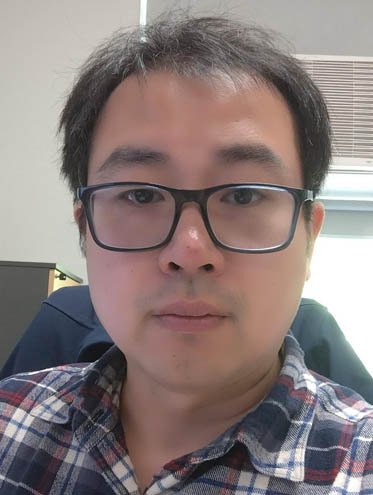
Bo Yang (U of A)
Bo Yang recently joined the HelioCon project, taking over from Matthew Emes’ after his departure from University of Adelaide. Bo did his master's project with Maziar Arjomandi on a solar air receiver project, and later pursued his PhD under his supervision. This year, Bo completed his PhD thesis on hydrogen production from water electrolysis and have since begun his first-year postdoc working on a heat pump project.
bo.yang01@adelaide.edu.au
Recent Publications
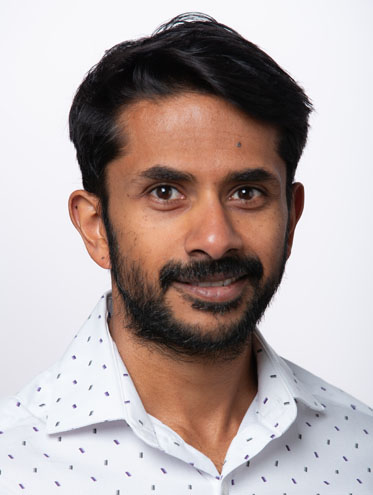
Parthiv Kurup (NLR)
Parthiv Kurup is a Techno-Economic Analysis (TEA) specialist in the Accelerated Deployment and Decision Support (ADDS) Center, at the National Laboratory of the Rockies (NLR). He has been involved in the Concentrating Solar Thermal (CST) field for the last 12 years. With HelioCon he has worked closely with Randy Borst in the Advanced Manufacturing Task, is a technical monitor for a Request for Proposal (RFP) project where Solar Dynamics are developing and testing an advanced heliostat, and has worked with others in the HelioCon team to develop CSP costs e.g., heliostats.
Parthiv.Kurup@nrel.gov
Recent Publications
- Heliostat Consortium Annual Report 2024 - https://www.nrel.gov/docs/fy25osti/91036.pdf
- Roadmap to Advance Heliostat Technologies for Concentrating Solar- Thermal Power - https://www.nrel.gov/docs/fy22osti/83041.pdf
- Initial Heliostat Supply Chain Analysis - https://www.nrel.gov/docs/fy23osti/83569.pdf
- Cost Update: Commercial and Advanced Heliostat Collectors - https://www.nrel.gov/docs/fy22osti/80482.pdf
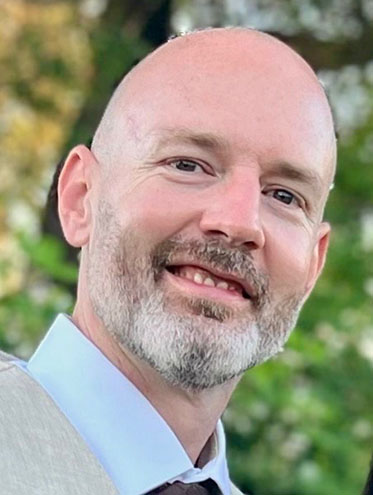
Nathan Stegall (Solar Dynamics)
Nathan Stegall leads the mechanical design of heliostats and parabolic trough collectors for Solar Dynamics LLC. He has 9 years of experience in CSP collector development and R&D at Solar Dynamics and previously at Abengoa Solar, and 20 total years of engineering, product design, commercialization, and management experience in multiple industries. His current efforts focus on material optimization, optical improvements, design for manufacturing, and assembly automation of Solar Dynamics’ advanced SunLite and SunRing heliostats, and commercial demonstration of the SunBeam large-aperture parabolic trough collector.
nathan.stegall@solardynllc.com
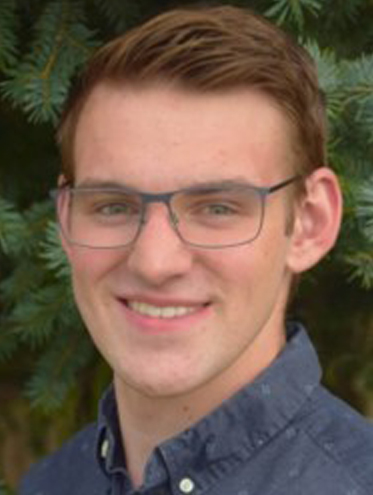
Kyle Sperber (NLR)
Kyle is a graduate intern at the National Laboraty of the Rockies (NLR), where he works on Non-Intrusive Optical Metrology (NIO). For NIO he researches computer vision and image processing techniques for error metrology of heliostats using drones. This provides CSP field operators information to make informed decisions on the operation of their plants and provides more reliable data for economic and performance metrics for existing and new fields. He is also a student at the Colorado School of Mines studying Mathematics, Physics and Computer Science.
Kyle.Sperber@nrel.gov
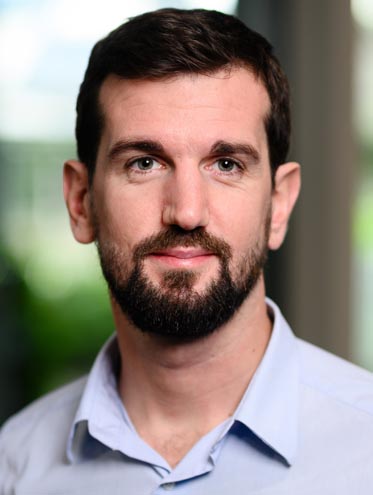
Giovanni Picotti (QUT)
Giovanni is a Lecturer at the Queensland University of Technology (QUT), in Brisbane, Australia. He spent most of his early studies on central receivers thermal modelling and heliostats soiling modelling in solar tower (ST) plants to provide physically-informed optimisation tools that could aid the uptake of CSP technologies. His research includes experimental activities in the Australian outback to collect reflectance data for modelling and validation purposes. Giovanni is also involved in the development of the new Masters in Renewable Energy at QUT overseeing the CSP-related units. Within HelioCon, he has developed a procedure to predict and assess reflectance losses for solar fields based on simple data collection techniques that is being applied with industry and academic partners to create a soiling database, provide inputs for CSP site selection, and to aid design choices in early stages of CSP projects.
g.picotti@qut.edu.au
Recent Publications:
- Manzolini G, Binotti M, Gentile G, Picotti G, Pilotti L, Cholette ME (2024). Actual cost of electricity: An economic index to overcome levelized cost of electricity limits. ISCIENCE, vol. 27, ISSN: 2589-0042, doi: https://doi.org/10.1016/j.isci.2024.109897
- Anderson CB, Picotti G, Cholette ME, Leslie B, Steinberg TA, Manzolini G (2023). Heliostat-field soiling predictions and cleaning resource optimization for solar tower plants. APPLIED ENERGY, vol. 352, ISSN: 1872-9118
- Picotti G, Cholette ME, Anderson CB, Steinberg TA, Manzolini G (2023). Stochastic soiling loss models for heliostats in Concentrating Solar Power plants. SOLAR ENERGY, vol. 263, ISSN: 0038-092X, doi: doi.org/10.1016/j.solener.2023.111945
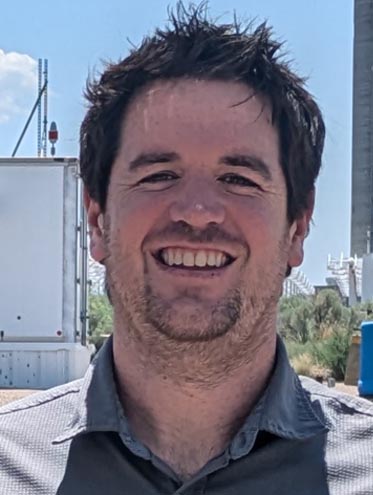
Ansel Blumenthal (SNL)
The work I have done associated with HelioCon involves the refurbishment of the National Solar Test Facility Heliostat Field. This work encompasses upgrading the heliostat dual axis controller hardware with new National Instrument cRIO 9053 units. Coupled with this hardware upgrade is a major revamp of the controller software allowing for more accurate pointing, less wear on the azimuth and elevation angle gearing, quicker response, and the ability to seamlessly transition between testing on the Gen2 tower and G3P3 as well as run simultaneous test campaigns on both towers. This refurbishment also includes the addition of wireless capabilities for heliostat control allowing the facility the capability to switch between wired and wireless communications.
aablume@sandia.gov
Recent Publications:
- Rapidly-Deployable Agrivoltaics Tensile Based PV Microgrid & Storage System for Resilient Power Production (Mar 2023)
- Optical Characterization of Textured Surfaces of Laser Powder Bed Fusion (LPBF) Haynes 282 for Increased Solar Absorptance (Oct 2023)
- Solar Corundum Crystallization (May 2024)
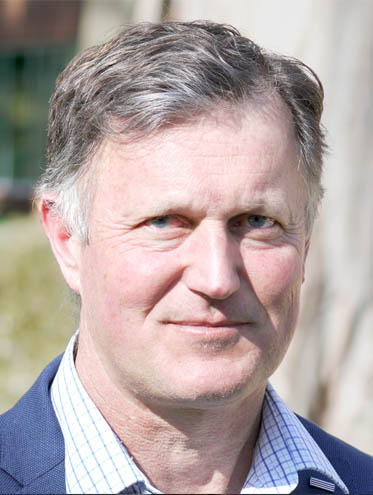
Joe Coventry (ANU)
Joe Coventry is an Associate Professor in the School of Engineering at the Australian National University. His expertise is in the field of concentrating solar power (CSP) and thermal energy storage (TES), and he has a broad research portfolio thematically organised around core skills in heat transfer, thermodynamics, optical and mechanical analysis. He has published over 100 peer reviewed journal and conference papers, 2 book chapters and 6 patents. In 2023, Joe was part of a team that won the SolarPACES Technology Innovation Award for development of a highly efficient and durable solar absorber coating. Along with his academic interests, Joe is motivated by working with industry partners to help drive uptake and rapid decarbonisation in both power and industrial sectors. He holds an ANU Translational Fellowship, with the objective of breaking down barriers between universities and industry, has partnered with over 20 companies from start-ups to heavy industrials, in their renewable and decarbonisation efforts. Prior to joining ANU, Joe led an engineering team at Wizard Power, in the commercialisation of ANU’s Big Dish technology. Within HelioCon, Joe contributed to the road mapping exercise in Year 1, and development of optical characterisation techniques for mirror panels, camera-based measurement methods to quantify soiling on mirrors, and techno-economic analysis to quantify the benefits of high-accuracy heliostats.
Outside of work, Joe is a keen follower of Australian Rules Football, and particularly the Collingwood Football Club. His second favourite sporting team is the Matildas, Australia’s women’s soccer team, and he is excited that they now sell out the biggest stadiums in Australia every time they play.
joe.coventry@anu.edu.au
Recent Publications:
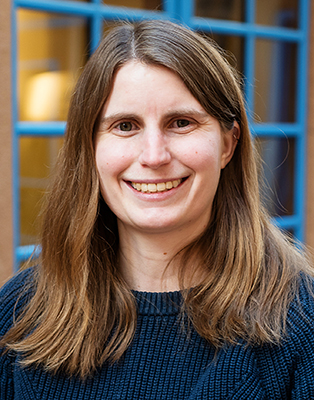
Rebecca Mitchell (NLR)
Rebecca is the lead of the Resource, Training, and Education topic for the Heliostat Consortium (HelioCon), for which she leads the development of an online resource database to make Concentrating Solar Power knowledge more accessible. She also develops drone-based heliostat optical metrology technology under the HelioCon metrology topic area and serves as a technical monitor for Northeastern University’s HelioCon awarded RFP project to develop CSP research and educational experiences for university students and the public.
rebecca.mitchell@ee.doe.gov
Recent Publications:
- R. A. Mitchell and G. Zhu, “A non-intrusive optical (NIO) approach to characterize heliostats in utility-scale power tower plants: Methodology and in-situ validation,” Solar Energy, vol. 209, pp. 431–445, Oct. 2020, doi: 10.1016/j.solener.2020.09.004.
- R. A. Mitchell and G. Zhu, “A non-intrusive optical (NIO) approach to characterize heliostats in utility-scale power tower plants: Sensitivity study,” Solar Energy, vol. 207, pp. 450–457, Sep. 2020, doi: 10.1016/j.solener.2020.06.093.
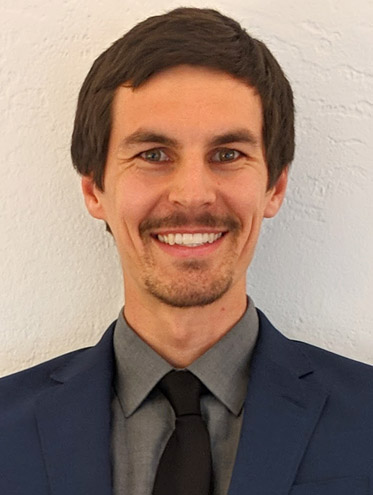
Braden Smith (SNL)
Braden has a background in optical engineering. Within HelioCon, Braden’s research focuses on CSP mirror metrology. He is one of the main developers working on Sandia’s CSP mirror deflectometry tool, Sofast, which is used to measure the mirror quality of CSP mirrors and heliostats. He in involved in improving and validating Sofast and deploying remote Sofast installments.
bsmith4@sandia.gov
Recent Publications:
- B. Smith and R. C. Brost. Robust Deflectometry. Presented in SolarPACES 2023, Sydney, Australia, October 2023.
- F. Brimigion, R. C. Brost, and B. Smith. Interactive CAD Layout of Reflection-Based Mirror Metrology Systems. Presented in SolarPACES 2023, Sydney, Australia, October 2023.
- R. C. Brost, B. J. Smith, F. M. Brimigion, and A. T. Evans. Extending Deflectometry Metrology Capability for CSP. Presented in the ES 2023 17th International Conference on Energy Sustainability, Washington, DC, July 2023.
- R. C. Brost, B. Smith, F. Brimigion. Agile Deflectometry. Poster in SolarPACES 2022, Albuquerque, NM, September 2022.
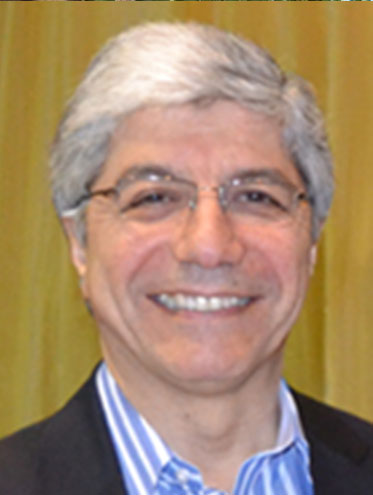
Hameed Metghalchi (Northeastern University)
Dr. Hameed Metghalchi is Professor of Mechanical Engineering at Northeastern University in Boston. He has been involved in both theoretical and experimental research in energy and exergy, and education for many years. Recently, Dr. Metghalchi has been dealing with concentrated solar power (CSP) education developing full semester course as well as short courses with his colleagues, Professors Kowalski and Levendis of Northeastern University. Dr. Metghalchi is Editor-in-Chief of American Society of Mechanical Engineers (ASME) Open Journal of Engineering. He is an Honorary member and Life Fellow of ASME. Dr. Metghalchi is recipient of ASME Potter award, Obert award and George Westinghouse award. Professor Metghalchi holds Master of Science (MS) and Doctor of Science (Sc.D.) degrees from Massachusetts Institute of Technology.
m.metghalchi@northeastern.edu
Recent Publications:
Insight Into Recompression.
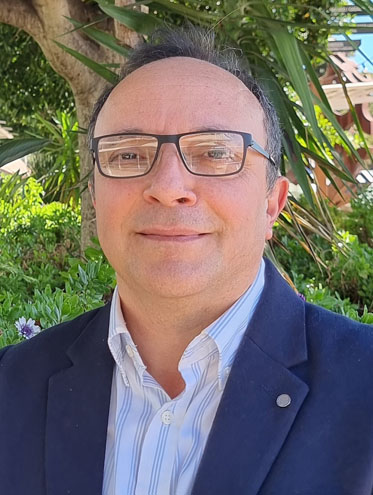
Maziar Arjomandi (U of A)
Maziar Arjomandi is a professor at the School of Electrical and Mechanical, the University of Adelaide. He is a Chartered Mechanical and Aerospace Engineer, a Fellow of Engineers Australia, a member of the Australian Research Council College of Experts and a Board member of Engineers Australia (SA Branch). As an experienced researcher in aerospace and fluid mechanics, Prof Arjomandi leads different projects in applied aerodynamics, wall-bounded flow, aerodynamic loads on structures (including heliostats and photovoltaic panels), atmospheric boundary layer, plasma aerodynamics, bluff body aerodynamics, haemodynamic, bio- and micro-fluids, and flow control. He has published some 300 scientific articles in international journals and peer-reviewed conferences and supervised 30+ PhD, 20+ Masters, and 300+ Honours students. As part of the HelioCon team, he leads the research on wind loads on heliostats with a focus on wind tunnel experiments and high-fidelity field data using the University of Adelaide industrial-scale wind tunnel and the state-of-the-art Atmospheric Boundary Layer Facility.
maziar.arjomandi@adelaide.edu.au
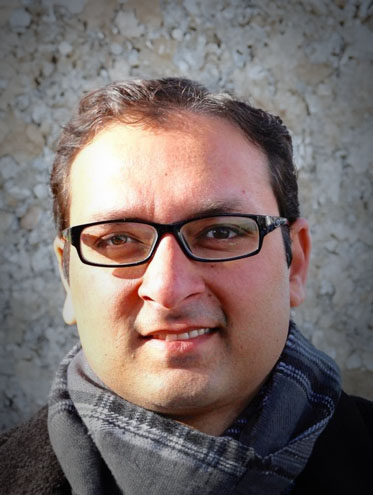
Shashank Yellapantula (NLR)
Shashank Yellapantula is a researcher at NLR involved in Heliocon activities involving wind loading of solar collectors. Shashank is a first-generation college graduate who came to US from India for graduate studies. Shashank holds MS and PhD in Mechanical Engineering from Stanford University. Shashank loves all endurance sports and likes following professional cycling.
Shashank.Yellapantula@nrel.gov
Recent Publications:
https://www.nature.com/articles/s41597-023-02896-4
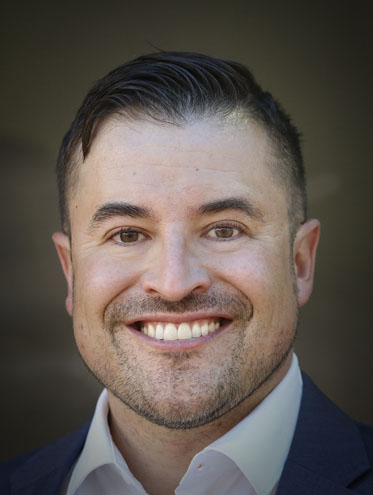
Kenneth Armijo (SNL)
Dr. Kenneth Armijo is a system engineering staff member who leads molten salt and molten alkali metals R&D at the National Solar Thermal Test Facility (NSTTF). His research interests are in alternative energy technologies and sustainability, as they pertain to scientific and technological innovation, business and policy. Dr. Armijo holds a Ph.D. in Mechanical Engineering from the University of California, Berkeley with minors in Energy and Resources, and business credentials in Management of Technology (MOT) from Berkeley's Haas School of Business. Dr. Armijo’s research in concentrating solar power (CSP) and nuclear energy (NE) consists of system design for high-temperature (>720 °C) thermodynamic and commercial R&D systems, employing nitrate, chloride and fluoride molten salts and alkali metals (sodium) as the heat transfer fluid. He currently is the PI for multiple U.S. DOE projects, including the DOE Advanced Salt Valve project, and is the DOE Heliocon Components & controls Lead for the development of wireless and closed-loop controls technologies for advanced CSP/CST heliostats and field deployments. His thermal-fluids molten salt work has been in collaboration between CSP and Nuclear Energy industrial partners. His research has also consisted of falling particles for centralized concentrating solar receivers. He also leads research activities pertaining to solar Stirling Engine applications as well as for solar reactor R&D and high-flux materials characterization. Dr. Armijo also serves as a lead Test Director for high-temperature materials research for power towers and solar furnace investigations.
kmarmijo@sandia.gov
Recent Publications:
2024, Pena-Lapuente, A., Armijo, K.M., et al., “SolarPACES Task III Project: Analyze Heliostat Field Project Conclusions, Results of a Qualitative Comparison of Solar Field Evaluation Methodologies and Next Steps to Further Improve the Solar Central Receiver Technology,” SolarPACES 2024 Task III Report.
2023, Armijo, K.M., Overacker, A., Madden, D., Parish, J., Nelson, M., Radman, I. Brumback, K., and Kruizenga, A., “Experimental Operation of a Prototype 750C Advanced Chloride Molten Salt Bellows Valve,” 27th SolarPACES Conference, Sydney, Australia.
Michel Izygon (Tietronix)
Dr. Michel Izygon has been involved in the design and performance assessment of central receiver solar plants since the 1980s—on projects such as Themis in France, Solar One and Solar Two in the United States. For the past 12 years, Dr. Izygon has been part of the Independent Engineering Team for the Ivanpah project, responsible for monitoring the control system. Similarly, he is part of the Lenders Technical Advisory team for two CSP plants in Ashalim, Israel, also responsible for the control system. He has been part of the Independent Engineering team that worked to resolve multiple issues at the Crescent Dunes project, focusing on the solar field. Dr. Izygon has spearheaded the development of TieSOL, a suite of software that leverages the power of GPUs for Ray Tracing based computation of all the optical losses associated with the operation of solar tower power plants. Dr. Izygon has also been working in collaboration with NLR on the innovative Non-Intrusive Optical (NIO) method for characterization of heliostats. As part of Tietronix advanced software services, Dr. Izygon has been involved in the infusion of Digital Twin and MBSE technologies to NASA/Johnson Space Center..
michel.izygon@tietronix.com
Stephanie Meyen (NLR)
Stephanie Meyen has recently joined the Thermal Energy Systems Group at NLR in February 2024. As an Optical Engineer, she has extensive experience in the development of optical metrology systems and procedures, prototype performance testing and data analysis. Her most recent work at the University of Arizona’s Richard F. Caris Mirror Lab, focused on measurement techniques to evaluate the surface shape of giant telescope mirrors to guide the polishing during manufacturing. Between 2007 and 2014, she was an enthusiastic CSP researcher at the DLR, working at the Plataforma Solar de Almeria in Spain. During that time, she led the international working group that created the SolarPaces reflectance measurement guideline. At NLR she will focus on topics that involve metrology and standards, which includes taking over the lead of the IEC PT 62862-4-3 working group.
Stephanie.Meyen@nrel.gov
Randy Brost (SNL)
Randy Brost leads the Concentrating Solar Optics Lab (CSOL) at Sandia’s National Solar Thermal Test
Facility (NSTTF). The goal of the CSOL team is to produce tools that help others to produce high
performance concentrating solar power systems. Because heliostat fields offer the highest combination of
solar concentration and total power, a key goal is to develop tools to measure and refine the optical
accuracy of heliostats and their tracking systems. CSOL has an explicit goal of producing practical, high
performance, easy-to-use metrology tools, and making them easily accessible to all members of the CSP
community, including industry, research, and education. Key projects in progress include high-resolution
deflectometry measurement of optical slope, in situ outdoor heliostat performance assessment, and
development of ground truth methods and physical standards to determine the accuracy of CSP metrology
systems. CSOL is also developing OpenCSP, an open-source collaborative environment for developing
CSP software and sharing CSP tools and data sets.
rcbrost@sandia.gov
Recent presentation:
Challenges and Solutions in Heliostat Optical Metrology. DOE Heliostat Consortium Seminar presented September 27, 2023.
Slides (PDF)
Video (YouTube)
Kyle Kattke (Solar Dynamics)
Kyle Kattke completed his MS at the Colorado School of Mines and began his career in CSP at Abengoa Solar. Since 2017, he has been with Solar Dynamics where he leads the development of its SunRing heliostat. He has managed the SunRing from its conceptual design through wind tunnel testing, component lifecycle testing, and full prototype builds. Within HelioCon, he continues evolving the SunRing with its Advanced Manufacturing and Field Deployment project. This HelioCon project refines the SunRing’s mirror array adding 2-D curvature through a high-volume assembly workstation which will be prototyped at the SolarTAC test facility. Collaboration with Sandia will result in a SOFAST deployment at SolarTAC for optical inspection of the mirror array. Lastly, models will be refined to accurately capture all solar field related costs from moving the assembled SunRing to its final field location to commissioning the entire solar field.
kyle.kattke@solardynllc.com
Michael Cholette (QUT)
Michael is leading the Soiling Subtask in the Heliostat Consortium — a group of researchers from the US and Australia focused on understanding and mitigating soiling losses for CSP plants. The Subtask’s work includes developing methods for characterizing site soiling losses early in the plant design, developing new measurement techniques, improving the accuracy of reflectance loss prediction models, and optimizing mitigation strategies (e.g. cleaning) to balance costs and productivity improvements.
michael.cholette@qut.edu.au
Alex Zolan (NLR)
Alex Zolan joined the Thermal Sciences Group at NLR in August 2018 as a postdoctoral researcher. His recent work at NLR involves the development of models that seek optimal design, dispatch, and operations of concentrating solar power and hybrid energy systems. He co-leads the Field Deployment task and supports the Technoeconomic Analysis task in HelioCon.
Alexander.Zolan@nrel.gov
Jeremy Sment (SNL)
Jeremy Sment is a mechanical engineer at Sandia National Labs. Jeremy focused on wind loading over heliostat fields and long-range flux mapping and calibration tools at the NSTTF for his graduate work through 2013. He rejoined the NSTTF in 2018 to support the Gen 3 particle pathway where he is focused on thermal energy storage and the handling of solid particles and commercial scale particle system integration focused on tower design and technoeconomic analysis. Jeremy joined the HelioCon effort in late 2021 and has conducted a series of interviews with industry experts to develop a high-level understanding of solar field deployments in the context of US energy market trends. He is currently performing studies on site-selection, field benefits and impacts on habitats, and heliostat foundation requirements. Jeremy holds a Masters of Science in Mechanical Engineering at UNM.jsment@sandia.gov
Matthew Emes (U of A)
Dr Matthew Emes is a Postdoctoral Research Fellow in the School of Electrical and Mechanical Engineering at the University of Adelaide in Adelaide, Australia. Matthew completed his PhD in Mechanical Engineering in 2018 with a focus on experimental fluid mechanics and atmospheric boundary layer turbulence effects on heliostat wind loads in wind tunnel experiments. He led the design and establishment of the Atmospheric Boundary Layer Research Facility (ABLRF) at the University of Adelaide in 2022. He works on the development of physical modelling in wind tunnel experiments and field measurements of near-surface ABL turbulence parameters that influence wind load design of single heliostats, heliostat arrays and strategies for wind load reduction.Matthew.Emes@adelaide.edu.au
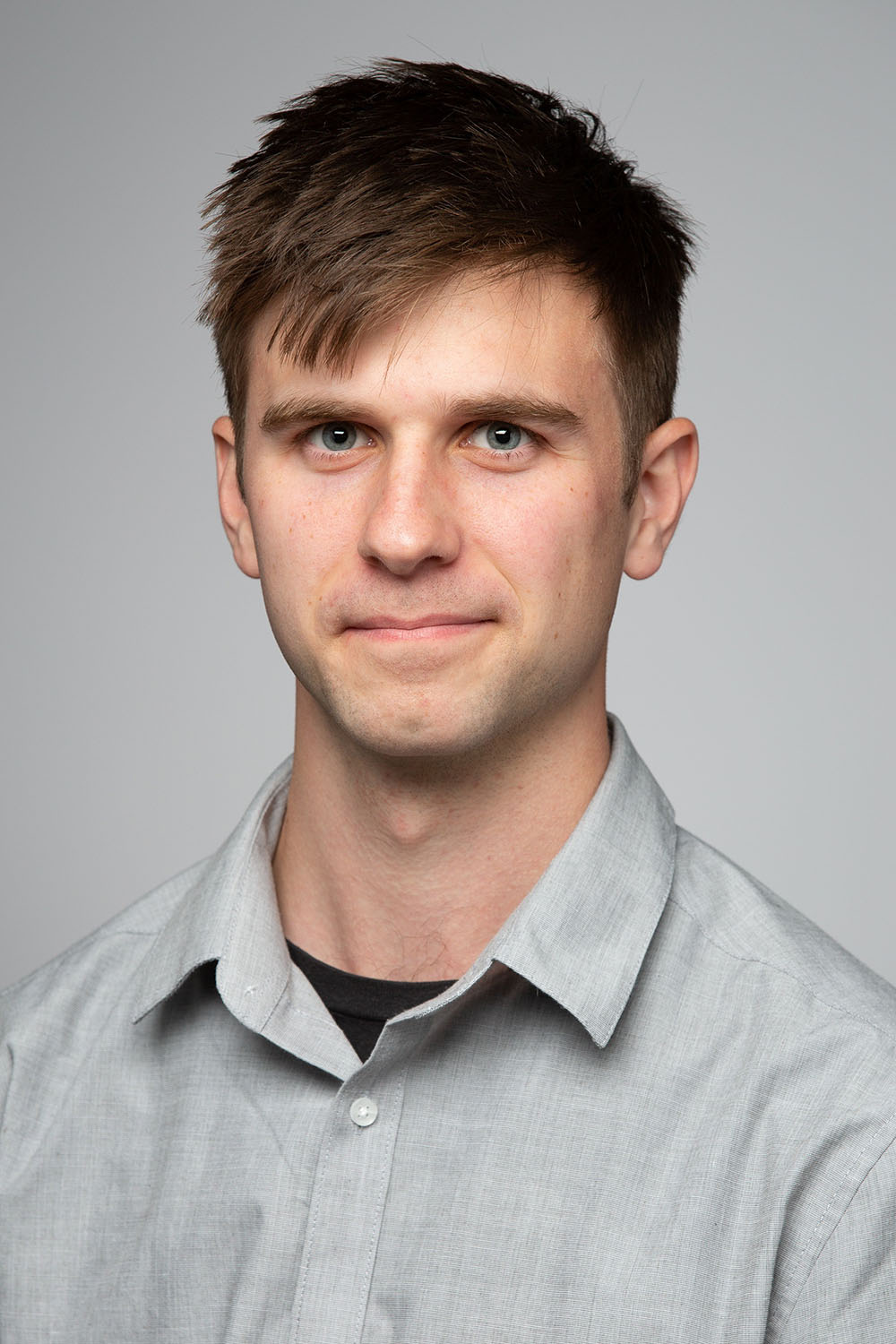
Devon Kesseli (NLR)
Devon Kesseli completed his MS at University of Colorado, Boulder, with a focus on thermal and fluid simulation and scientific computation. At NLR, he’s worked extensively on optical measurement software for heliostats and parabolic trough concentrating solar mirrors. Most recently under HelioCon, he has led the development of NLR’s ReTNA software: a lightweight tool that uses deflectometry, photogrammetry and computer vision to measure mirror surface shape. In NLR’s Thermal Systems Group he has worked on a variety of other projects, from techno-economic analysis of thermal energy systems to geothermal projects and industrial decarbonization.Devon.Kesseli@nrel.gov
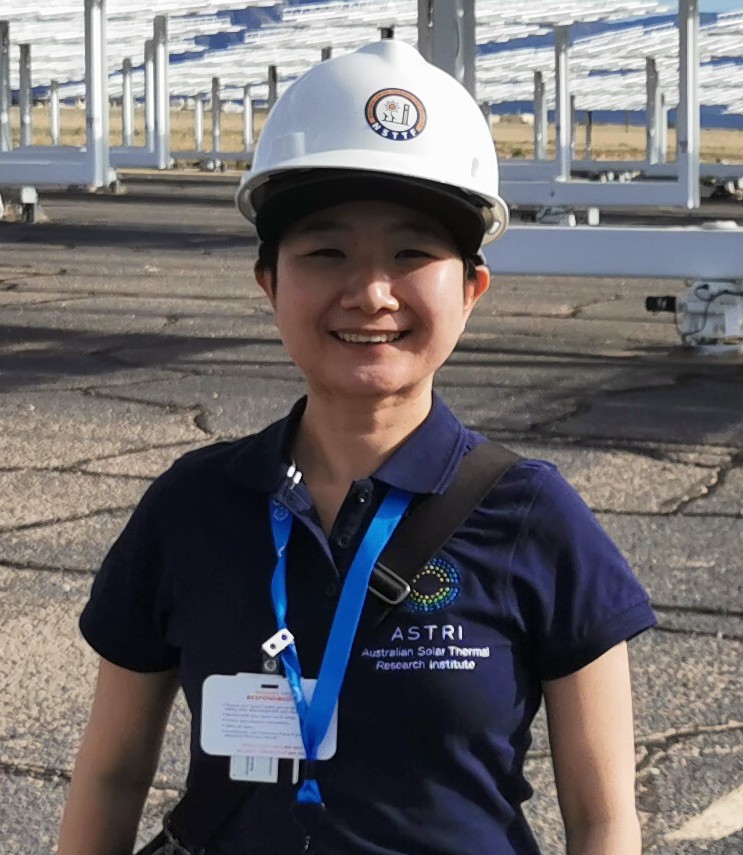
Ye Wang (ANU)
Dr. Ye Wang, a research fellow at the Australian National University (ANU), specializes in optical modeling, flux mapping, and optical characterization of solar concentrators. She also has experience in solar thermal receiver/system design and techno-economic analyses of renewable energy systems. She contributed to the analysis of both Gen3 liquid and particle systems. She is developing the HelioShape program for heliostat optical characterization, benchmarking optical modeling tools, and conducting techno- economic analyses of solar tower systems for high-temperature process heat applications as part of the HelioCon projects.ye.wang@anu.edu.au
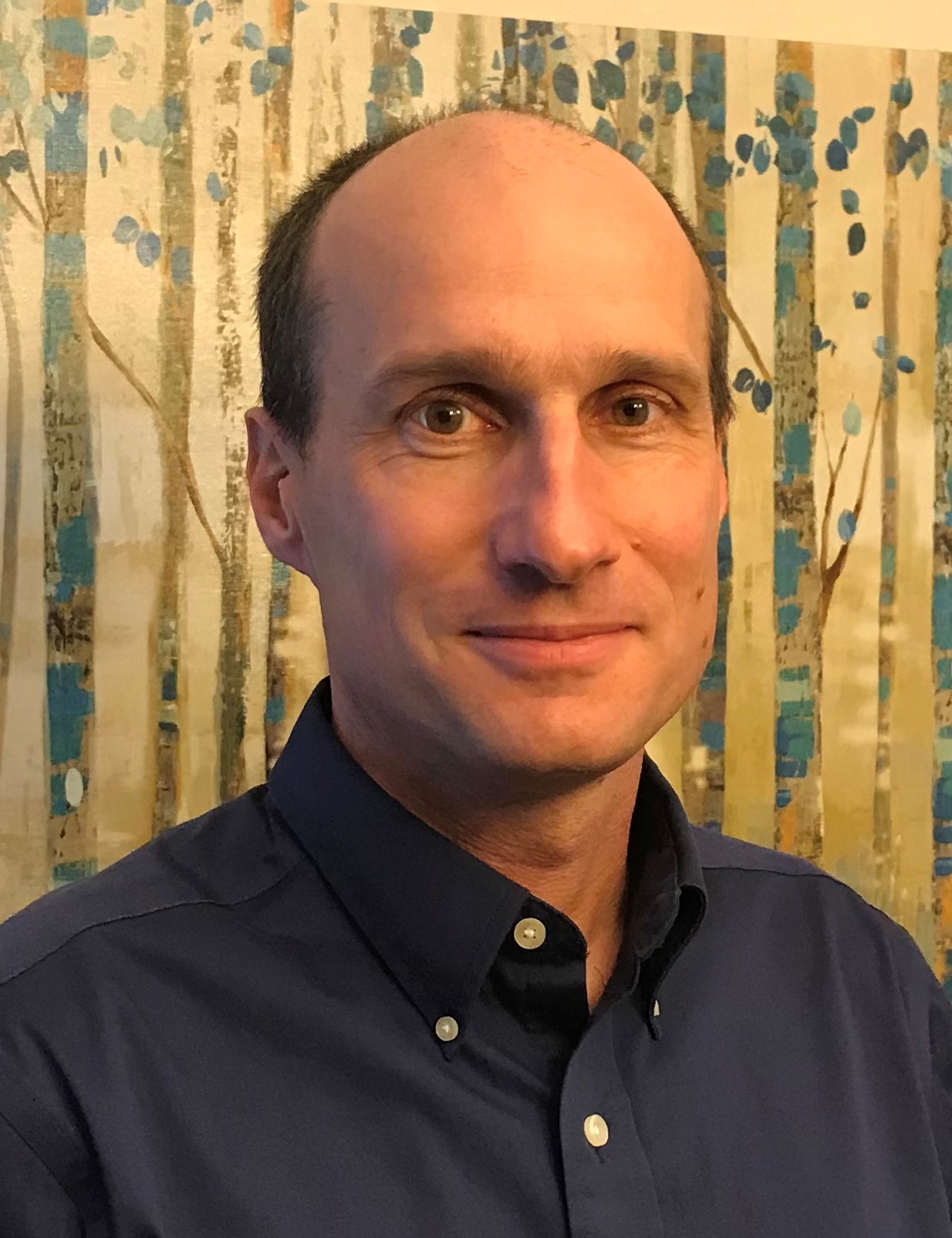
Matt Muller (NLR)
Since 2008 Matthew Muller has been a research engineer within the PV Performance and Reliability group. The focus of his work has covered topics such as performance modeling of solar energy systems, soiling mitigation strategies, surface coating durability, solar trackers, IEC standards development, prototyping and design of instrumentation, data acquisition systems, programming, and data analysis. He is a member of ANSI and has served as a technical expert and project lead within multiple IEC working groups. He led the IEC effort to publish the technical specification, TC 62727, the design qualification standard, IEC 62817 (both covering solar trackers) and IEC 62670-3, standardizing performance measurements and power rating procedures for concentrating photovoltaic devices.
Currently he is supporting Heliocon as coleader of “Components and Controls” with Ken Armijo. This area focuses on reducing the cost of heliostats through work in areas such as:
- evaluation of composites materials for structural replacements and improved mirror facets
- development of closed loop controls, and
- development of wireless controls.
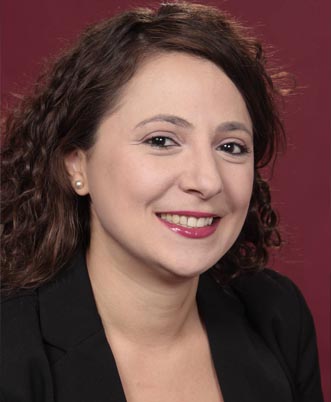
Eirini Tsiropoulou (UNM)
Exciting strides are being made by the UNM team, led by Dr. Tsiropoulou, in the world of wireless communications and renewable energy with the introduction of Integrated Access and Backhaul (IAB) technology. This innovative approach aims to overcome the limitations of mesh networking by dynamically allocating spectrum across access and wireless backhaul levels, boosting efficiency. A major breakthrough comes in the form of joint optimization, where energy efficiency and low latency are achieved while navigating the constraints of heliostat-related energy availability and latency to support closed-loop control functionalities. Moreover, the project sets a new trajectory by testing the IAB approach with IEEE 802.11ax and IEEE 802.15.4 standards across various CSP field sizes and wireless connections, resulting in a comprehensive design roadmap.eirini@unm.edu
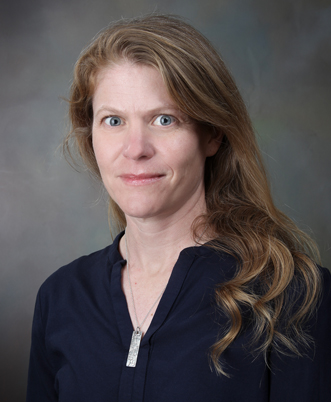
Margaret Gordon (SNL)
Dr. Gordon completed her doctorate in inorganic chemistry with a focus on sol-gel chemistry of polar inorganic anions, crystallography, and density functional theory simulations at the Northwestern University. From 2017 to 2021 she served as the Deputy Director for the DuraMAT Consortium. Margaret now has numerous publications and several patents and since 2021 has managed the Concentrating Solar Technologies group of 30+ members at Sandia, and the National Solar Thermal Test Facility which is the only large-scale high-flux testing facility in North America.megord@sandia.gov